
This cottage cheese flatbread recipe is the kind of thing you stumble on by accident and end up making every single week. It is soft, chewy, and genuinely satisfying — no yeast, no rising time, no complicated technique.
Just a handful of pantry staples, a hot skillet, and about 30 minutes from start to finish. The cottage cheese works quietly in the background, keeping the dough tender and boosting the protein count without adding any noticeable flavor on its own.
Use it as a wrap, a pizza base, a scoop for hummus, or just tear it warm from the pan and eat it plain with a brush of butter. However you serve it, this cottage cheese flatbread earns its place in the regular rotation fast.


table talk
With Liliya!
I made this cottage cheese flatbread for the first time when I had half a tub of cottage cheese in the fridge and no bread in the house. Thirty minutes later I had warm, soft flatbreads that my whole family inhaled. I have been making them on repeat ever since. They are just the right amount of effort for something that tastes this good, and they work with absolutely everything.
Liliya
In This Post
Cottage Cheese Flatbread Recipe
This cottage cheese flatbread recipe is built on a short ingredient list and a method so simple it barely qualifies as cooking. Cottage cheese, flour, baking powder, salt, and a splash of olive oil come together into a soft, workable dough that rolls out in minutes and cooks on a skillet without any fuss.
The cottage cheese does double duty here — it adds moisture and richness to the dough while quietly delivering a substantial hit of protein to every piece. Once you make it, you will reach for this recipe the way you reach for any staple — automatically.
What makes this recipe genuinely useful is how versatile it is. Roll it thin for wraps and tacos, roll it slightly thicker for a naan-style side, or cut it into rounds for mini pizzas. The dough is neutral enough to go savory or sweet depending on what you serve it with.
Make a batch on Sunday and you have flatbread on hand all week. It reheats beautifully in a dry pan in under a minute — better than anything from a packet.
Why You’ll Love This Cottage Cheese Flatbread Recipe
Here is why this cottage cheese flatbread recipe has become a regular in my kitchen:
- No yeast, no rising, no waiting — from mixing bowl to skillet in about 30 minutes with zero proofing or resting required.
- High-protein and genuinely filling — the cottage cheese adds around 10–12g of protein per serving without changing the flavor of the flatbread at all.
- The texture is exactly right — soft and pliable enough to fold into a wrap, sturdy enough to hold toppings, and with just enough chew to feel satisfying.
- It works with everything — hummus, tzatziki, grilled chicken, avocado, scrambled eggs, honey and cinnamon — the neutral base goes with whatever you have.
- Stores and reheats perfectly — make a full batch and it keeps in the fridge for 3 days or the freezer for a month, ready in 60 seconds in a hot pan.
Ingredients Needed For Cottage Cheese Flatbread Recipe
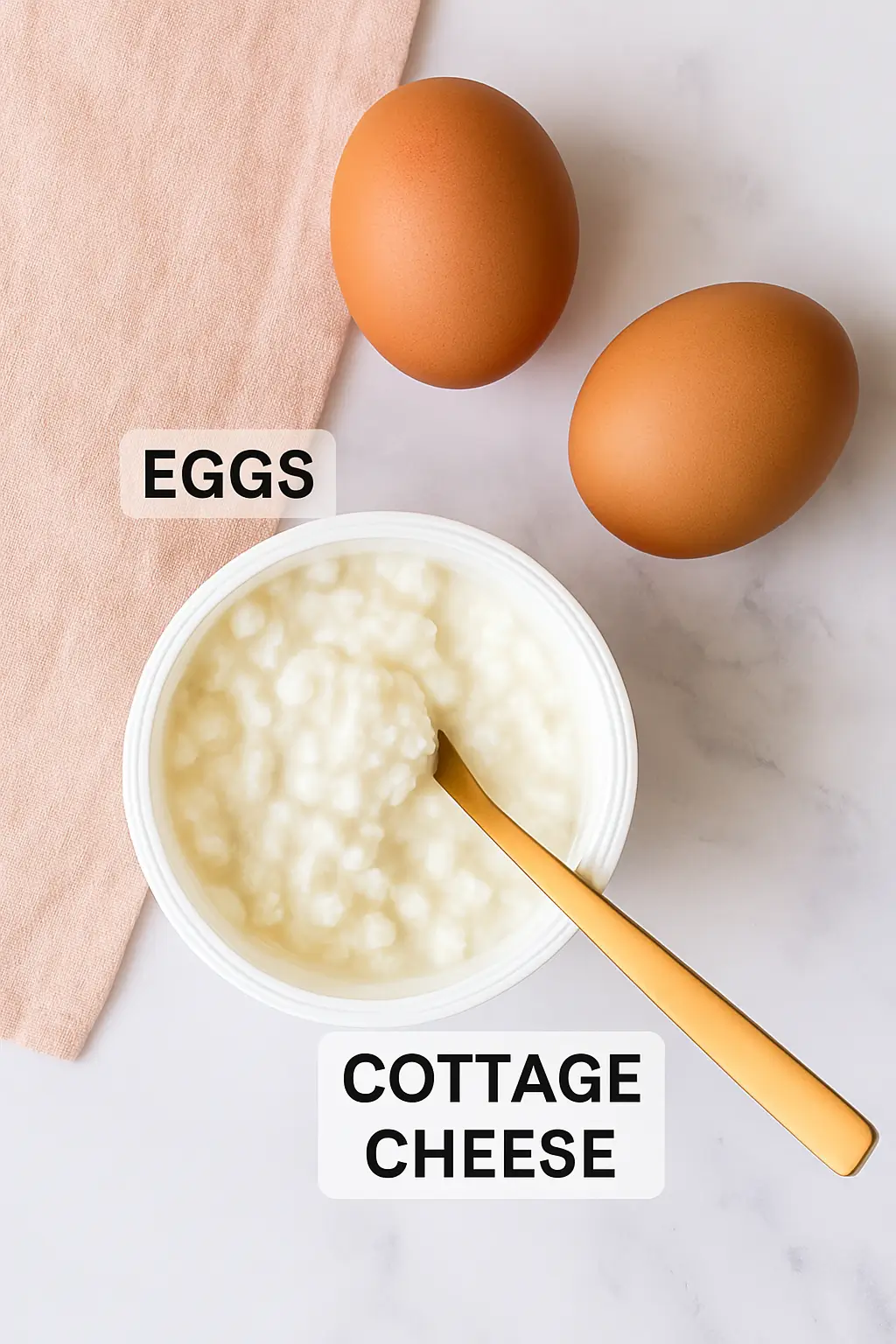
- Cottage cheese – The star ingredient and the reason this flatbread is so tender and protein-rich. Full-fat cottage cheese produces the best dough. If you love cooking with cottage cheese, also check out our Cottage Cheese Cookie Dough. Low-fat works in a pinch but the texture will be slightly drier and less rich.
- All-purpose flour – Provides the structure that holds the dough together. Keep a little extra on the work surface for rolling — cottage cheese varies in moisture content and you may need slightly more or less flour depending on the brand you use.
- Baking powder – Gives the flatbread a subtle lift as it cooks, creating a slightly airy interior instead of a dense, tough texture. It is the reason these cook up soft rather than cracker-like.
- Salt – Essential for flavor. The dough on its own is quite neutral, and salt is what makes every other element taste like it belongs there.
- Olive oil – A small amount in the dough adds tenderness. A little more brushed on after cooking keeps the flatbread soft and glossy and adds a finishing richness to every piece.
- Optional flavor additions – Garlic powder, dried herbs (oregano, za’atar, rosemary), everything bagel seasoning, or a pinch of black pepper can all be mixed directly into the dough before rolling for extra flavor without any extra effort.
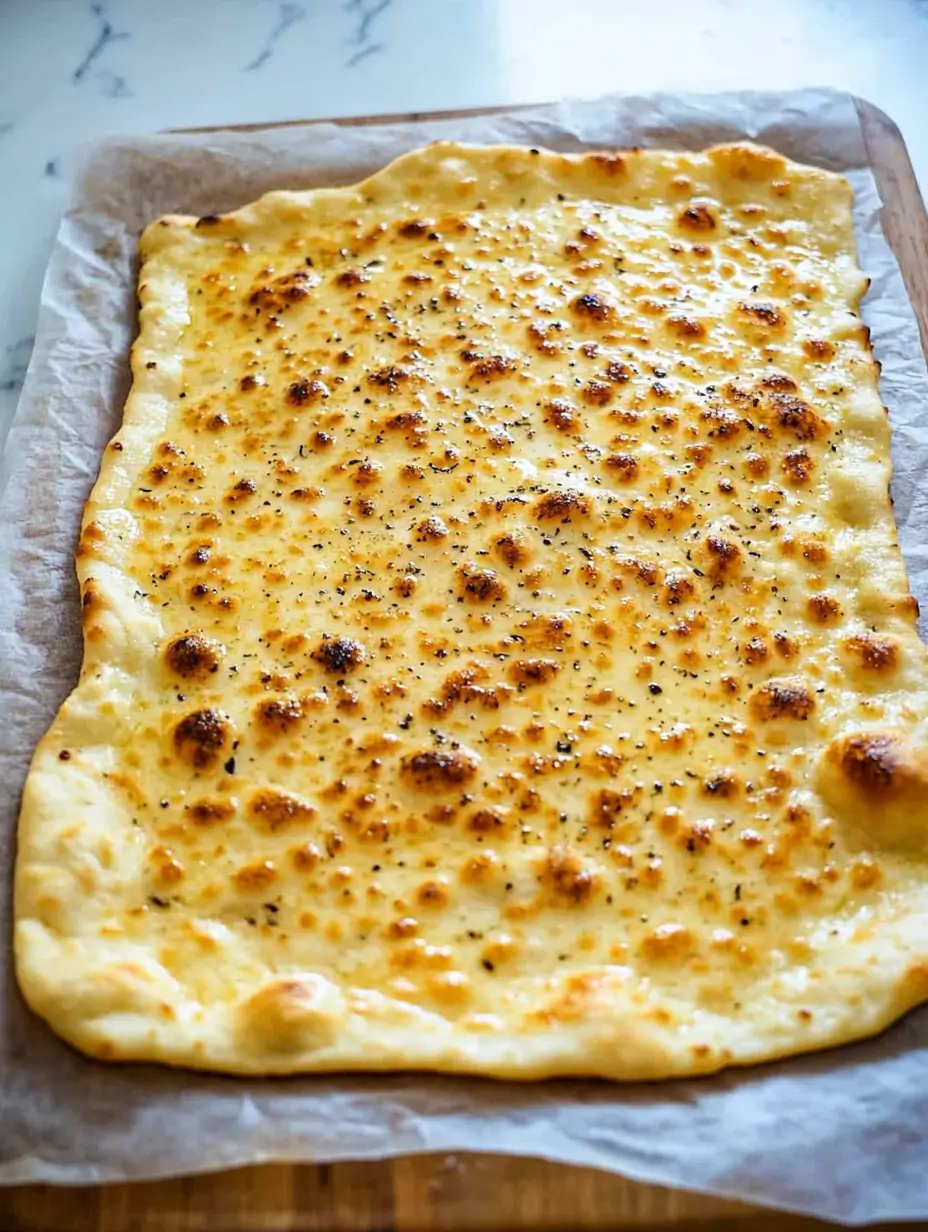
Equipment You’ll Need
- Large mixing bowl – Roomy enough to combine the dough ingredients and knead briefly without making a mess.
- Rolling pin – For rolling each piece of dough to an even thickness. A wine bottle works as a substitute if you don’t have one.
- Non-stick skillet or cast iron pan – Either works. Cast iron retains heat better and gives a more even char on the surface; non-stick is more forgiving if the dough is slightly sticky.
- Spatula – For flipping the flatbreads cleanly without tearing. A wide, thin spatula works best.
- Pastry brush – For brushing the warm flatbreads with olive oil or melted butter after cooking. Optional but highly recommended for the best finish.
How to Make Cottage Cheese Flatbread Recipe
This is a step-by-step overview of how I make this cottage cheese flatbread recipe, with tips along the way. You will find the full ingredients list and exact measurements in the recipe card below.
Make the dough. Add the cottage cheese, flour, baking powder, salt, and olive oil to a large mixing bowl. Stir with a spatula until the mixture starts to come together, then switch to your hands and work it into a cohesive ball.
It should feel soft and slightly tacky but not sticky. If it clings to your hands, add flour one tablespoon at a time until it is manageable.
Knead briefly. Turn the dough out onto a lightly floured surface and knead for 2 to 3 minutes until it is smooth and elastic. This step is short but important — it develops just enough gluten to make the flatbread pliable rather than crumbly. The dough is ready when it springs back slightly when you poke it.
Divide and roll. Cut the dough into 4 to 6 equal pieces depending on how large you want each flatbread. Roll each piece on a lightly floured surface into a round or oval shape about ⅛ inch thick. They do not need to be perfectly round — irregular shapes add to the homemade character.
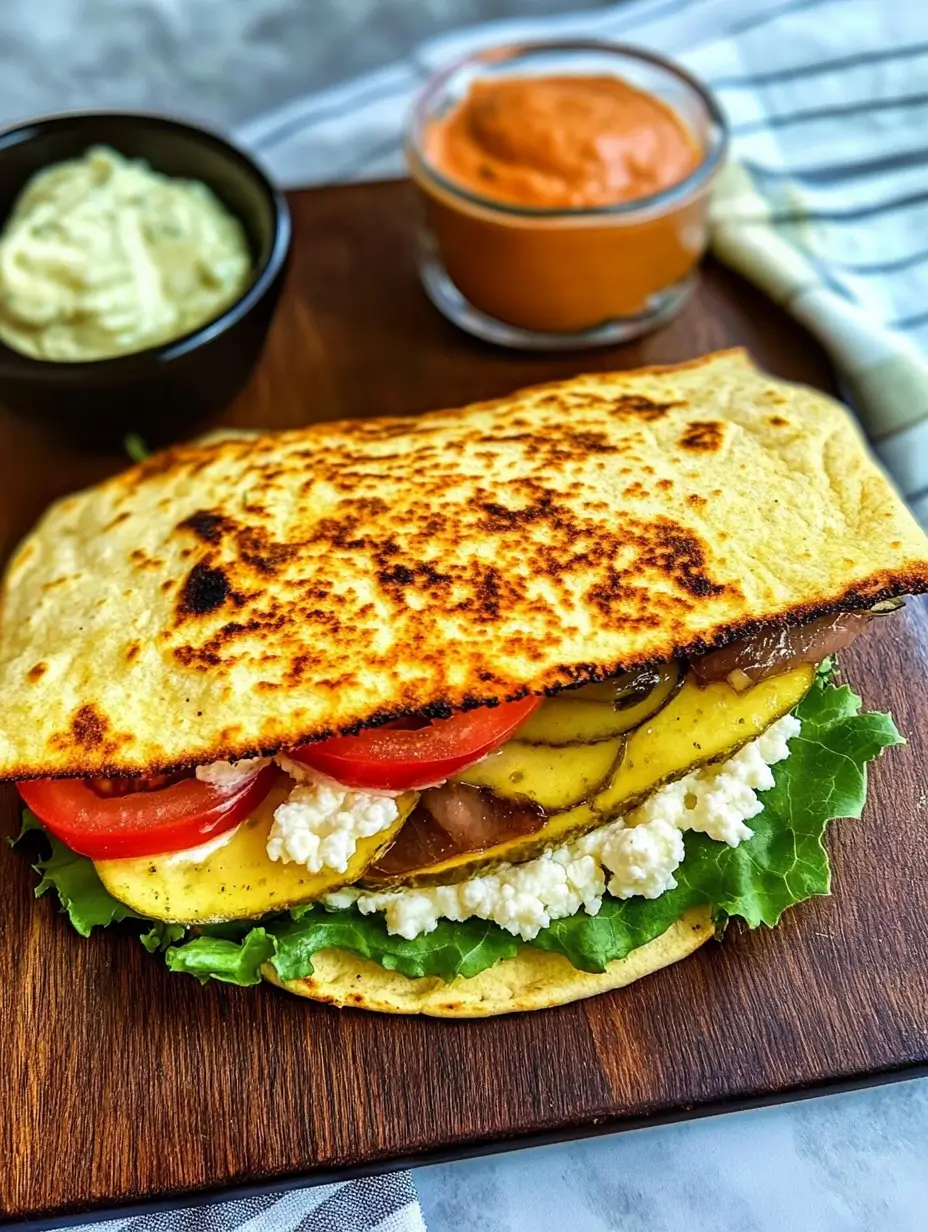
Cook on the skillet. Heat a non-stick skillet or cast iron pan over medium-high heat. No oil needed in the pan — the dough has enough oil to prevent sticking. Cook each flatbread for 2 to 3 minutes per side until golden brown spots appear and the surface looks dry and slightly puffed.
Stack the cooked flatbreads under a clean kitchen towel to keep them soft and pliable while you finish the rest of the batch.
Brush and serve. Brush the warm flatbreads immediately with olive oil or melted butter. Sprinkle with flaky salt, garlic powder, or fresh herbs if using. Serve warm for the best texture — they are at their absolute best right off the pan.
Expert Tips for the Best Cottage Cheese Flatbread
Drain your cottage cheese if it is very wet. Different brands of cottage cheese vary dramatically in moisture content. If yours looks quite watery, spoon it into a fine-mesh strainer or a few layers of cheesecloth and let it drain for 5 to 10 minutes before adding it to the flour. Too much moisture in the dough produces flatbread that steams in the pan instead of searing, which leaves you with a soft, pale, slightly gummy result instead of the golden, spotted surface you want.
Don’t skip the brief knead. Two to three minutes of kneading makes a real difference to the final texture. It develops just enough gluten to give the flatbread its pliable, tear-resistant quality — the kind that holds together when you fold it into a wrap instead of cracking in half. Undermixed dough produces flatbread that crumbles at the edges and feels dense in the middle. You are not trying to develop a bread-level gluten network here, just enough to make it hold together properly.
Roll to an even thickness. Uneven rolling means uneven cooking — the thin spots will char before the thick spots are cooked through, leaving you with a flatbread that is burnt on one side and doughy on the other. Aim for about ⅛ inch throughout. A consistent thickness is more important than a perfect shape — rustic and uneven-edged is fine; thick in the middle and thin on the edges is not.
Preheat the pan properly. A warm pan produces pale, steamed flatbread. A properly hot pan — one that has been heating for at least 2 minutes over medium-high before the first flatbread goes in — creates the golden spots and slightly charred patches that give this recipe its character. The flatbread should sizzle softly when it first touches the pan. If it just sits there silently, the pan is not hot enough yet.
Stack cooked flatbreads under a towel. The steam that builds up under the towel keeps each flatbread soft and pliable while you finish cooking the rest of the batch. If you stack them on a cold plate without covering them, they will lose moisture quickly and start to stiffen. The towel method is the same trick bakeries use — simple and genuinely effective.
Brush immediately after cooking. The window for the oil or butter to absorb into the flatbread is about 30 seconds after it comes off the pan — when the surface is still hot and porous. Brush it right away and the fat soaks in, keeping the flatbread soft and giving it a beautiful sheen. Wait until it cools and the brush just slides over the surface without the fat absorbing at all.
What to Serve With Cottage Cheese Flatbread
This cottage cheese flatbread is one of the most versatile things you can have in your fridge. For a quick lunch, use it as a wrap stuffed with grilled chicken, shredded lettuce, tomatoes, and a dollop of tzatziki or hummus. You can pair it with our Easy Chicken Pita with Tzatziki spread for a full Mediterranean-style meal.
As a side dish, it pairs perfectly with soups and stews — tear pieces off and scoop up the broth. For a low-effort dinner, set out a spread of dips — baba ganoush, white bean dip, roasted red pepper hummus — and let everyone build their own plate.
It also makes an excellent pizza base: top with tomato sauce, mozzarella, and fresh basil, then slide under the broiler for 4 to 5 minutes. For something sweet, brush with honey and add sliced strawberries and a pinch of flaky salt.
Storing and Reheating Cottage Cheese Flatbread
Refrigerator: Stack cooled flatbreads with parchment between each one. Store in an airtight container for up to 3 days. They may stiffen slightly in the fridge — entirely reversible with a quick reheat.
Freezer: Cottage cheese flatbread freezes exceptionally well. Place parchment between each piece and freeze in a zip-lock bag for up to 1 month. Thaw overnight in the refrigerator or reheat directly from frozen.
Reheating: The best method is a dry skillet over medium heat for 30 to 60 seconds per side — it brings back the warmth and slight crispness without drying them out. The microwave works in a pinch: wrap in a damp paper towel and heat for 20 to 30 seconds.
Make-ahead tip: The raw dough can be divided into balls and refrigerated for up to 24 hours. Roll and cook fresh whenever you need them — the dough actually becomes easier to work with after a rest in the fridge.
Recipe Variations & Substitutions
This cottage cheese flatbread recipe is very adaptable. Here are the most popular ways to make it your own:
- Whole wheat flour: Substitute up to half the all-purpose flour with whole wheat for a nuttier flavor and slightly more fiber. Using all whole wheat flour will make the flatbread denser and less pliable, so the 50/50 blend is the sweet spot.
- Gluten-free: A 1:1 gluten-free flour blend works well. The flatbread will be slightly more delicate and may crack at the edges when folding, but the flavor is still excellent. Let the dough rest for 5 minutes before rolling — it becomes easier to work with as the flour hydrates.
- Flavored dough: Mix garlic powder, dried oregano, za’atar, everything bagel seasoning, or fresh chopped herbs directly into the dough before kneading. These additions cost nothing in effort and dramatically change the character of the finished flatbread.
- Ricotta substitute: Ricotta can replace the cottage cheese in equal amounts. It produces a slightly richer, more neutral-flavored dough with a marginally softer texture. Good quality whole-milk ricotta works best.
- Dairy-free: Plant-based cottage cheese alternatives (made from cashews or tofu) are available in most health food stores and work reasonably well in this recipe. The texture of the finished flatbread may be slightly different depending on the brand, so add flour gradually and trust the feel of the dough over the exact measurements.
FAQs About Cottage Cheese Flatbread Recipe
Why does my cottage cheese flatbread turn out soggy?
Soggy flatbread almost always comes from one of two things: too much moisture in the cottage cheese, or a pan that is not hot enough. Start by draining your cottage cheese briefly in a strainer if it looks very wet. Then make sure the skillet is properly preheated — at least 2 minutes over medium-high heat before the first flatbread goes in. A hot pan sears the surface immediately, creating that golden crust. A warm or cold pan just steams the dough from the outside in, producing a soft, pale, gummy result.
Can I make cottage cheese flatbread without a rolling pin?
Yes. You can press each piece of dough flat with your hands on a lightly floured surface, working from the center outward. It takes slightly more time and the flatbreads will be less uniformly thin, but it works. A smooth-sided wine bottle makes a good rolling pin substitute if you want something more even. The dough is forgiving — imperfect shapes are absolutely fine.
Can I bake cottage cheese flatbread instead of cooking it on the stovetop?
Yes. Roll the flatbreads to about ¼ inch thickness and bake on a parchment-lined baking sheet at 400°F (200°C) for 10 to 12 minutes, flipping halfway through. The baked version will be slightly drier and more cracker-like than the stovetop version — it works well for a crispier flatbread but loses some of the soft, pliable quality that makes the stovetop version so good for wraps.
How long does cottage cheese flatbread keep?
Stored with parchment between each piece in an airtight container, cooked flatbread keeps in the refrigerator for up to 3 days and in the freezer for up to 1 month. The raw dough balls can be refrigerated for up to 24 hours before rolling and cooking. Reheat in a dry skillet for 30 to 60 seconds per side for the best texture — the microwave works but leaves the flatbread a little softer and less textured.
Can I use low-fat or non-fat cottage cheese?
You can, but the results will be noticeably different. Low-fat and non-fat cottage cheese contain more water and less fat than full-fat, which makes the dough stickier and harder to work with, and the finished flatbread drier and less tender. If you only have low-fat, drain it first and increase the flour slightly to compensate for the extra moisture. Full-fat is genuinely worth it here for both ease and texture.
Why is my flatbread dough too sticky to roll?
Cottage cheese varies significantly in moisture content between brands — some are quite wet and produce a stickier dough. Add flour one tablespoon at a time, kneading it in fully between each addition, until the dough no longer sticks to your hands or the work surface. Do not add too much at once — over-floured dough produces dry, stiff flatbread. You want a dough that is soft, slightly tacky to the touch, but cleanly peelable from the surface.
This cottage cheese flatbread recipe is the kind of recipe that quietly becomes a staple. It asks almost nothing of you — no yeast, no waiting, no special equipment — and delivers warm, soft flatbread in about 30 minutes flat.
The protein from the cottage cheese makes it far more filling than the ingredient list suggests. If you love cooking with cottage cheese, try our Easy Cottage Cheese Bagels — same simple approach, same great results.
Make a full batch, keep it in the fridge, and you will find yourself reaching for it all week. Once you have made it once, you will not need store-bought flatbread again.
Before you get started! If you try this Cottage Cheese Flatbread recipe, I’d love for you to leave a rating and review. It helps us keep sharing free recipes you can count on.
Cottage Cheese Flatbread Recipe
- Total Time25 minutes
- Yield4 servings 1x
- DietVegetarian
This cottage cheese flatbread recipe is quick, easy, and made with just a few simple ingredients. The dough comes together in minutes and cooks up soft, chewy, and perfect for dipping or topping. No yeast, no rising, just mix, roll, and cook.
Ingredients
- 1 cup full-fat cottage cheese
- 1½ cups all-purpose flour (plus more for rolling)
- 1 teaspoon baking powder
- ½ teaspoon salt
- 1 tablespoon olive oil
- Optional: chopped fresh herbs (like parsley or dill)
- For topping: olive oil or melted butter, garlic powder, shredded cheese
Instructions
- In a mixing bowl, stir together the cottage cheese, flour, baking powder, salt, and olive oil until a dough forms.
- Transfer to a floured surface and knead for 3 to 5 minutes until the dough is smooth.
- Divide the dough into 4 to 6 equal portions and roll each one into a flat round or oval shape.
- Heat a non-stick skillet or griddle over medium heat and lightly brush with oil.
- Cook each flatbread for 2 to 3 minutes per side, or until golden spots appear.
- Remove from heat and brush with olive oil or butter. Add toppings like garlic powder or cheese if desired.
- Serve warm on its own or with dips, soups, or salad.
Notes
- If your cottage cheese is extra watery, you can drain it slightly before adding it to the dough. This helps prevent a sticky texture.
- You can roll the dough thicker or thinner depending on how soft or crisp you like your flatbread. Thinner will cook faster and get slightly crispier.
- These flatbreads are best served warm, but leftovers reheat well in a skillet or toaster oven.
- The dough doesn’t need resting or rising, which makes this a great last-minute recipe when you want something homemade but quick.
- Prep Time: 10 minutes
- Cook Time: 15 minutes
- Category: Lunch
- Method: Stovetop
- Cuisine: American
Nutrition
- Calories: 190 kcal
- Sugar: 1g
- Sodium: 360mg
- Fat: 7g
- Saturated Fat: 2g
- Unsaturated Fat: 5g
- Trans Fat: 0g
- Carbohydrates: 22g
- Fiber: 1g
- Protein: 9g
- Cholesterol: 10mg
More Cottage Cheese Recipes
Love cooking with cottage cheese?