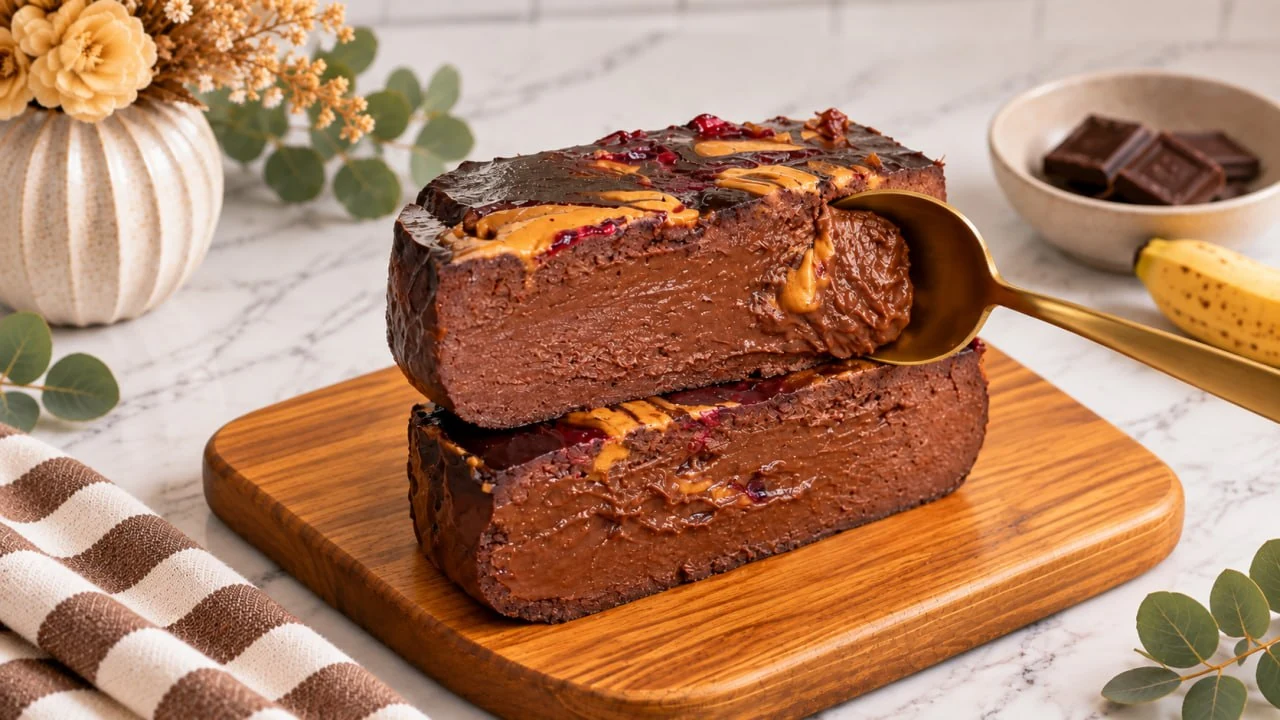

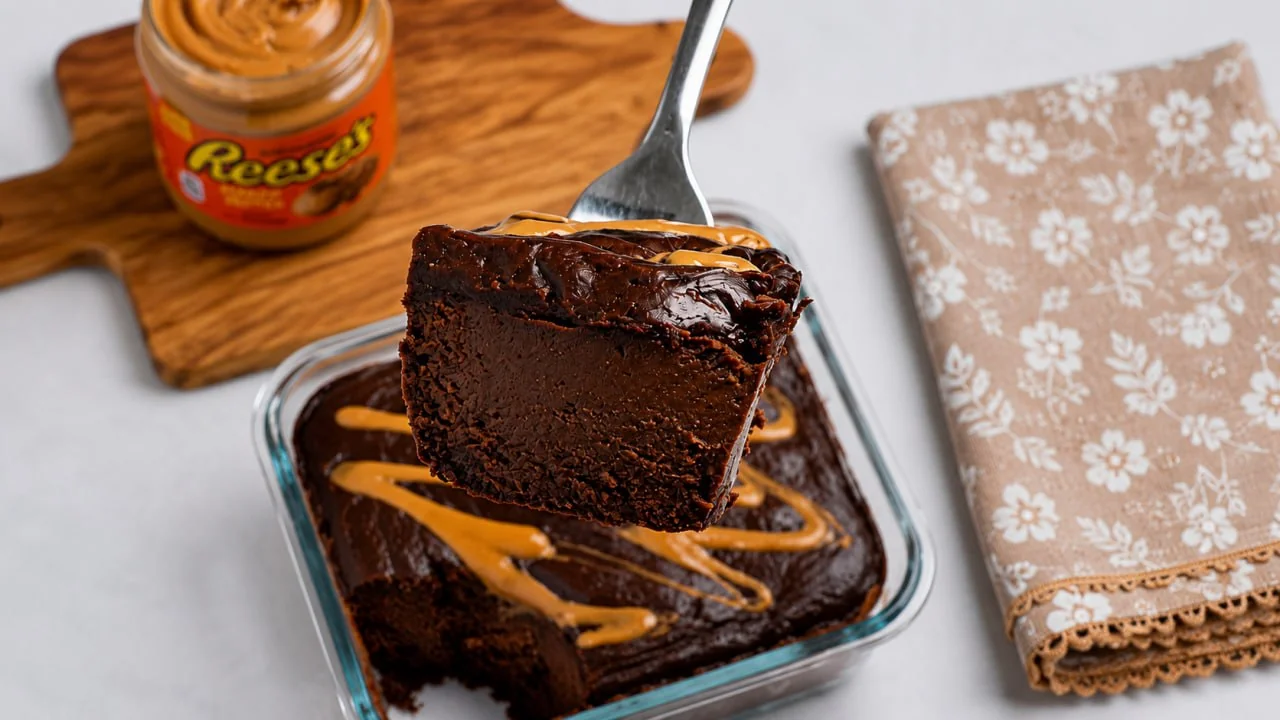
This Protein Reese’s Cheesecake is the most indulgent, peanut-butter-obsessed protein dessert you will ever make in a ramekin, and it comes together with just five simple ingredients and absolutely no crust, no water bath, and no fancy technique required. Blended cream cheese and Greek yogurt create a silky, tangy cheesecake base that bakes up perfectly in 30 minutes, while a generous swirl of peanut butter on top gives you that unmistakable Reese’s flavor in every single bite.
You will find this recipe in my full high-protein desserts collection, along with dozens of other protein-packed treats.
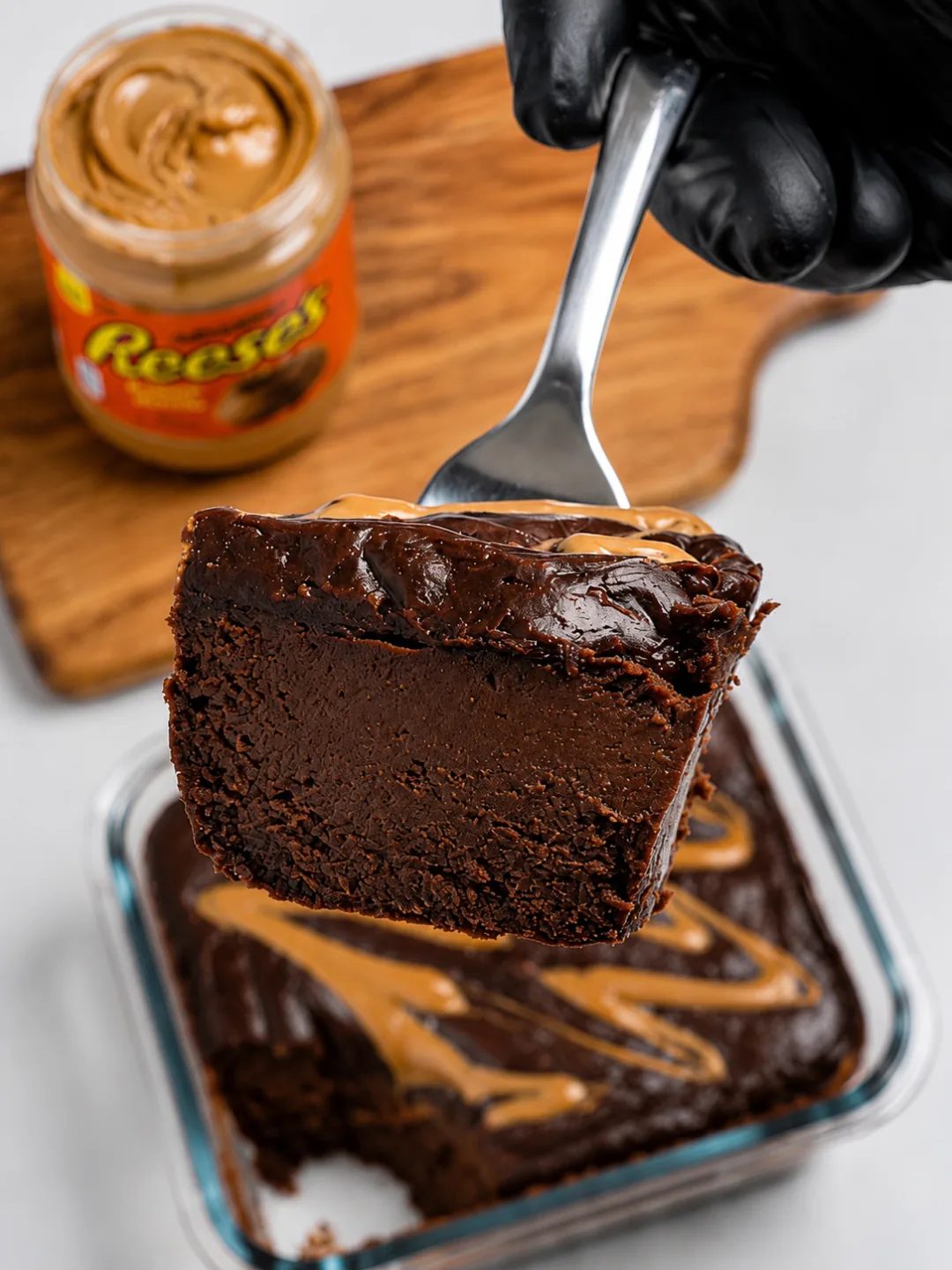
Protein Reese’s Cheesecake is one of those recipes that sounds too good to be true until you actually make it, and then it immediately becomes a permanent part of your weekly routine. If you love easy high protein desserts like my High Protein Raspberry Cheesecake or my Protein Chocolate Lava Brownie, this Protein Reese’s Cheesecake is going to become your new weekend obsession.
In This Post
Why You’ll Love This Protein Reese’s Cheesecake
- Protein Reese’s Cheesecake uses just five ingredients and takes less than five minutes to prep before the oven takes over completely.
- The peanut butter swirl on top looks absolutely stunning and tastes exactly like a Reese’s cup, which makes this feel like a genuine indulgence rather than a protein dessert.
- Greek yogurt and cream cheese together create a cheesecake base that is genuinely creamy, rich, and satisfying with a meaningful amount of protein in every serving.
- This recipe bakes in a single ramekin, which means perfect portion control with zero leftovers to resist and zero dishes to regret.
- Protein Reese’s Cheesecake is naturally gluten-free and works with almost any sweetener, making it easy to adapt to your own dietary goals and preferences.
- It is a perfect meal-prep dessert that keeps beautifully in the fridge for several days, so you can make it once and enjoy it all week without any extra effort.

table talk
With Liliya!
I started making this Protein Reese’s Cheesecake during a week when I really wanted something that tasted like an actual treat but I did not want to undo everything I had been working on. The peanut butter swirl on top is what gets me every single time. It looks like something from a cheesecake shop and it tastes like a Reese’s cup in the best possible way. I make this almost every weekend now and I genuinely cannot imagine my dessert rotation without it.
Liliya
Ingredients Needed For Protein Reese’s Cheesecake
- Egg (1 large). One egg does all the structural work in this recipe, binding the cheesecake together and creating that classic set, silky texture when baked. The egg proteins coagulate gently in the oven and give the finished cheesecake its smooth, sliceable consistency. Use a room temperature egg if possible, as it blends more seamlessly into the other ingredients and creates a smoother, more even batter with no streaks.
- Cream cheese (2 oz). Cream cheese is the ingredient that makes this taste unmistakably like real cheesecake and not just a protein bake in disguise. Even a small 2 oz portion brings that signature rich, tangy, slightly dense flavor that is instantly recognizable. Use full-fat block cream cheese, not the whipped or spreadable kind, and soften it to room temperature before blending so it incorporates completely without leaving lumps in the batter.
- Greek yogurt (1/4 cup). Full-fat plain Greek yogurt is the protein powerhouse in this recipe. It adds a gentle tang that deepens the cheesecake flavor, contributes significant creaminess to the texture, and brings a solid hit of protein without any additional ingredients or supplements needed. Full-fat Greek yogurt produces the creamiest, richest result. If you use low-fat or fat-free Greek yogurt, the cheesecake will still work but the texture will be slightly less luxurious and more lean-tasting.
- Sweetener (2 to 3 tablespoons). Any sweetener you prefer or already have on hand works beautifully here. Granulated sugar, coconut sugar, maple syrup, honey, monk fruit sweetener, erythritol, and stevia-blend baking sweeteners are all excellent choices. Adjust the amount based on your own preference and the sweetness level of the peanut butter you are using, since some peanut butters are sweetened and others are completely plain. Start with 2 tablespoons and add more if you want a sweeter result.
- Cocoa powder (3 tablespoons). Unsweetened cocoa powder is what gives this Protein Reese’s Cheesecake its rich, deep chocolate base that makes every bite taste like a proper chocolate peanut butter cup. Use a good quality unsweetened cocoa powder for the most intense chocolate flavor. Dutch-process cocoa will give you a slightly smoother, less acidic chocolate taste, while natural cocoa has a brighter, more robust chocolate punch. Either works beautifully here. Make sure to blend it in thoroughly with the other base ingredients so it is fully incorporated into the batter with no dry pockets remaining.
- Peanut butter (2 tablespoons). Peanut butter is the ingredient that transforms this from a plain protein cheesecake into something that genuinely tastes like a Reese’s cup. You swirl it directly into the top of the batter before baking, and as it bakes it sinks slightly into the surface and creates gorgeous ribbons of nutty, rich peanut flavor running through the top layer of the cheesecake. Natural creamy peanut butter gives the cleanest, most intense peanut flavor. Warm it for 10 to 15 seconds in the microwave if it is very thick to make it easier to swirl.
How I Make Protein Reese’s Cheesecake
(This is a quick overview of how I make Protein Reese’s Cheesecake, with tips along the way. You will find the full ingredients and instructions in the recipe card below.)
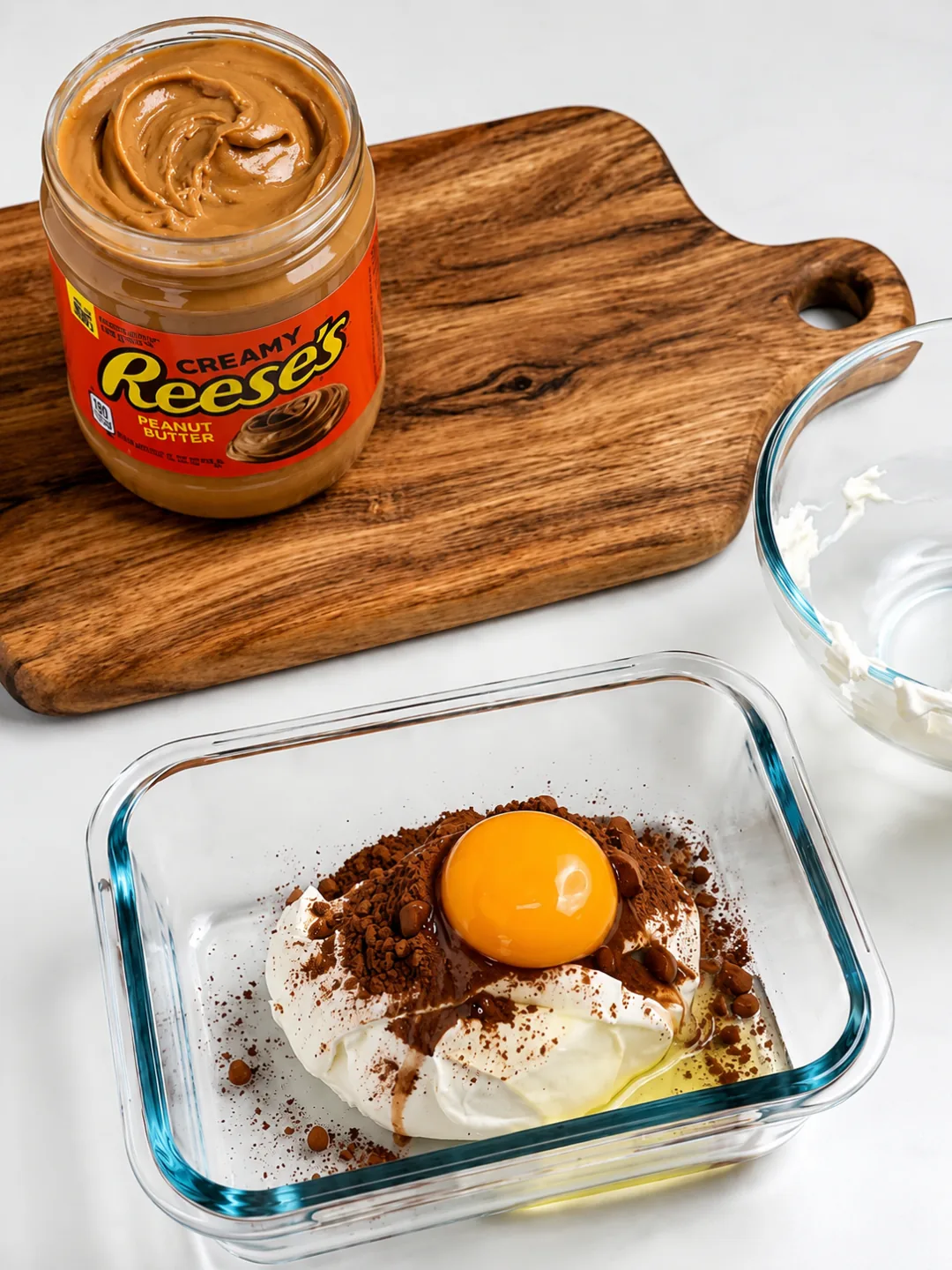
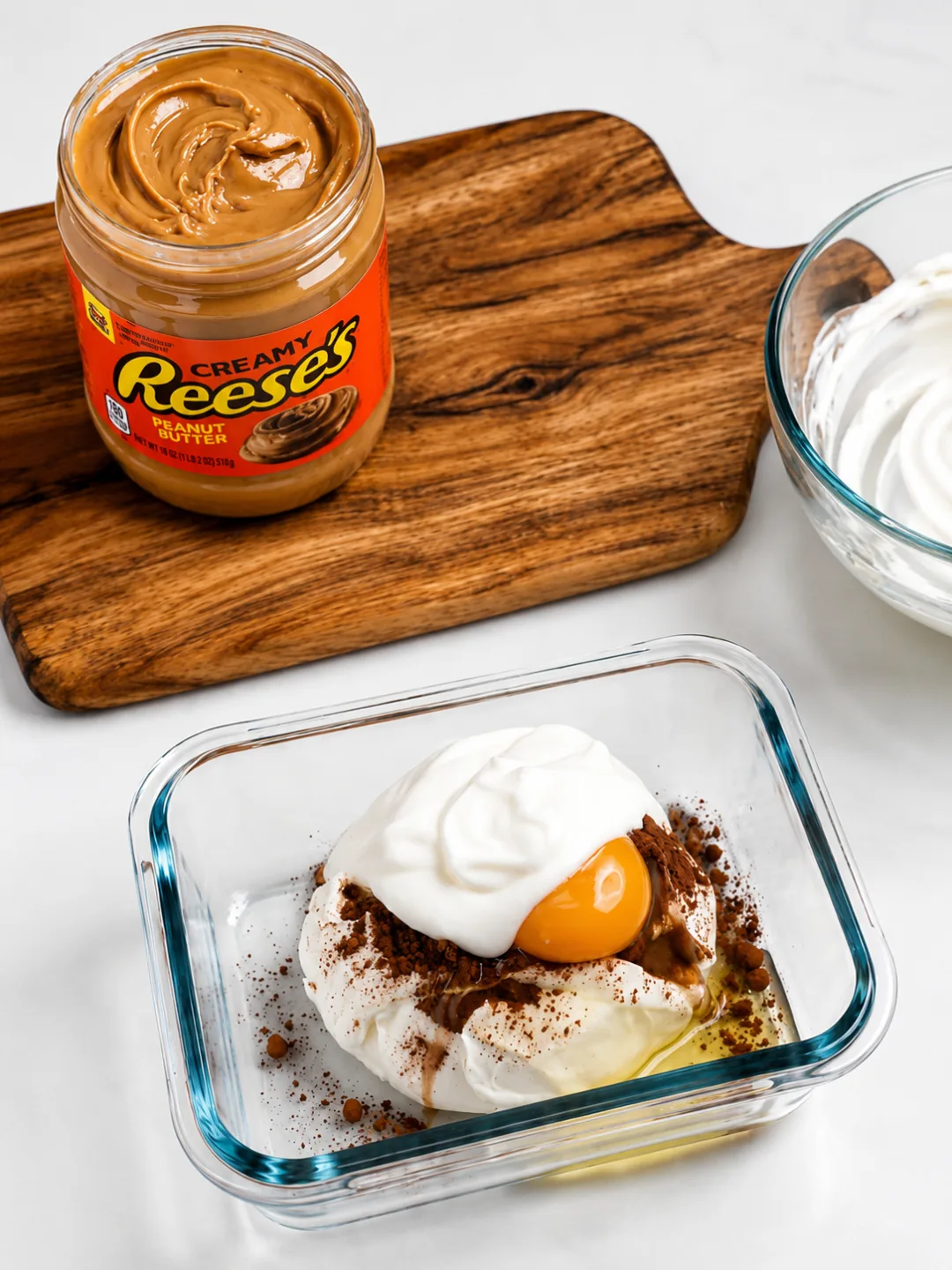
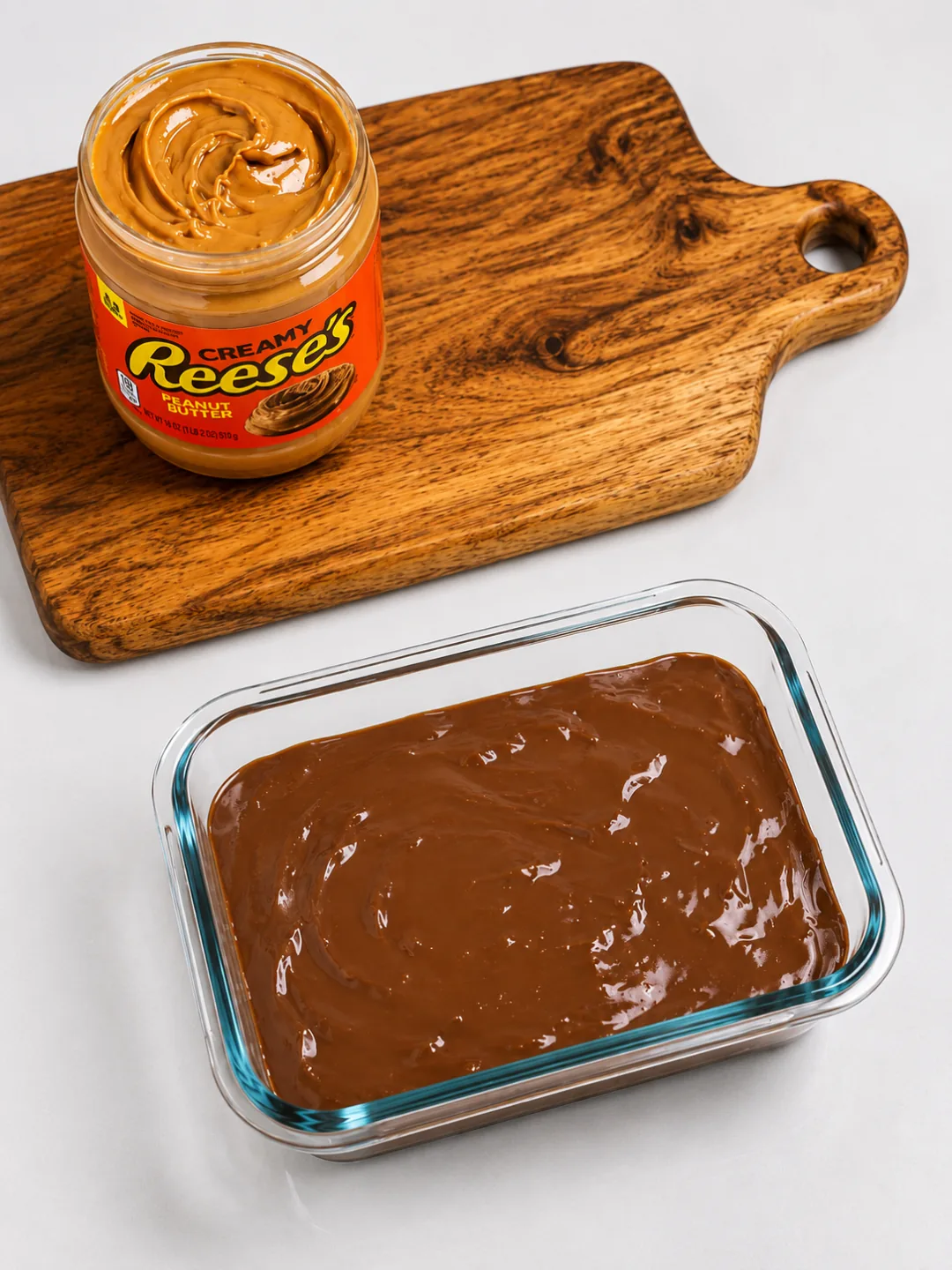
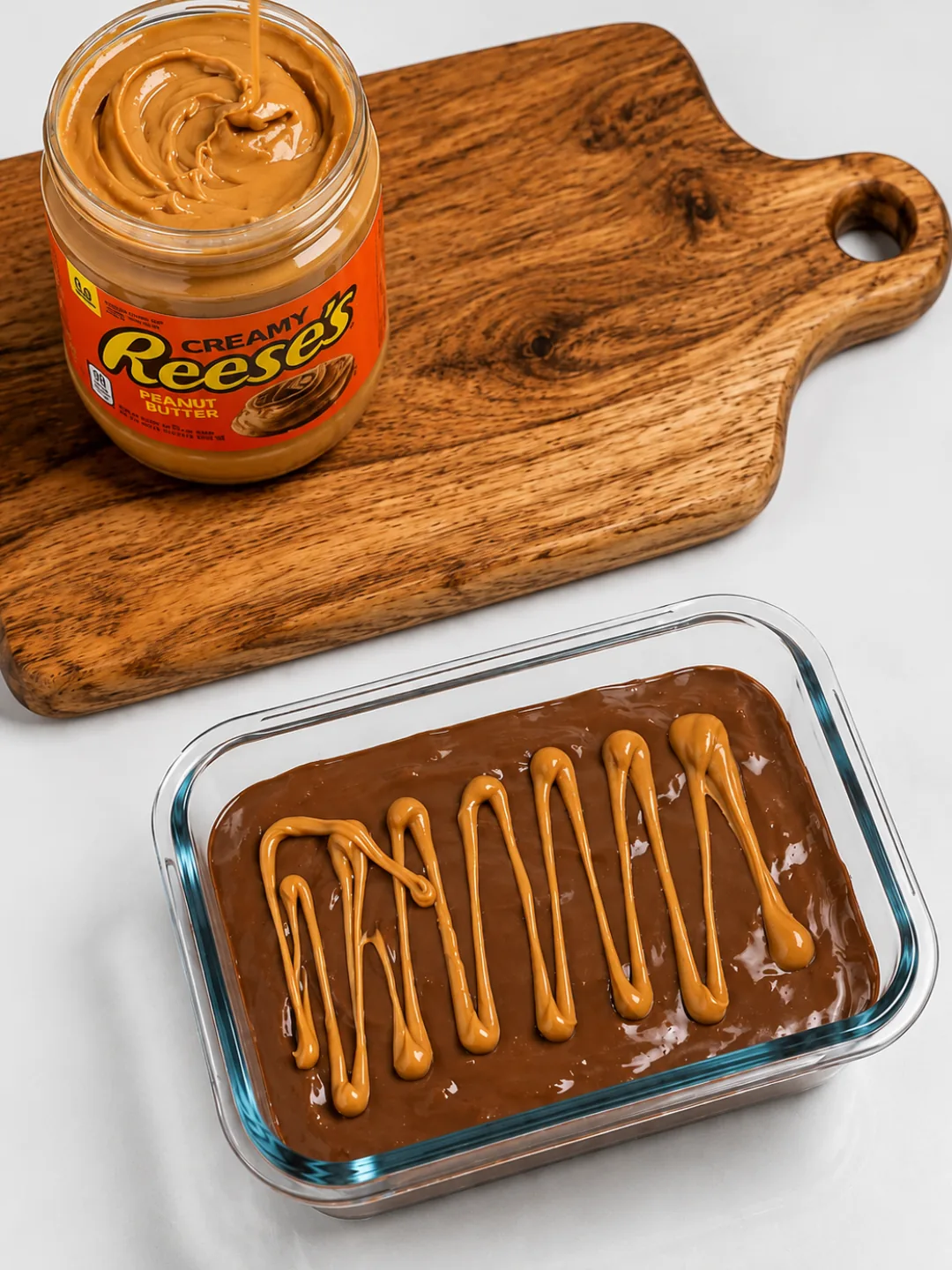
- Preheat the oven and prepare your ramekin. Preheat your oven to 350°F. Lightly grease a standard 6 oz ramekin with cooking spray or a thin layer of butter, making sure you get the sides as well as the bottom. Greasing the ramekin properly is important because the cheesecake will puff slightly during baking and you want it to release cleanly around the edges when it contracts as it cools.
- Blend the cheesecake base until completely smooth. Add the egg, softened cream cheese, Greek yogurt, and sweetener to a blender or food processor. Blend on high for 60 to 90 seconds, stopping once to scrape down the sides, until the mixture is completely smooth and uniform with absolutely no visible lumps of cream cheese. The batter should look creamy and pourable. This is the most important step in the entire recipe. A properly blended batter is the difference between a silky, restaurant-quality result and a lumpy, uneven bake.
- Pour the batter into the ramekin. Pour the blended cheesecake mixture into the prepared ramekin. The batter is quite fluid and will level itself out on its own, but give the ramekin a gentle tap on the counter to release any air bubbles and ensure the surface is completely even before you add the peanut butter swirl.
- Swirl the peanut butter on top. Spoon the peanut butter in a loose spiral or in three or four dollops across the surface of the batter. Then use a toothpick, skewer, or the tip of a knife to drag gently through the peanut butter in sweeping circular motions, pulling the brown ribbons through the white cheesecake base. Do not over-swirl. Three or four slow passes gives you that beautiful marbled Reese’s look. Every extra pass beyond that risks mixing everything together into a flat, muddy brown surface instead of the distinct swirl you want.
- Bake at 350°F for 30 minutes. Place the ramekin on a small baking sheet and bake for exactly 30 minutes. The edges should look set and slightly golden and the very center should have the faintest jiggle when you gently shake the pan. Do not bake until the center is completely firm in the oven. Cheesecake always continues to set as it cools, and a fully firm center fresh out of the oven almost always means an overbaked, dry, rubbery cheesecake once it chills. Pull it when it still has that slight wobble.
- Cool at room temperature, then chill completely. Remove the Protein Reese’s Cheesecake from the oven and let it cool completely at room temperature for about 20 to 30 minutes before moving it to the refrigerator. Then chill it for at least 1 hour before eating, and ideally 2 hours or overnight. The chilling step is what sets the texture from a soft, custardy bake into a firm, creamy, sliceable cheesecake that holds its shape and tastes like the real thing. Eating it warm is tempting but it will not have the right texture until it is fully chilled.
Expert Tips for Protein Reese’s Cheesecake
Soften the cream cheese before blending. Cold cream cheese is the number one reason people end up with a lumpy, uneven batter. Take it out of the fridge 20 to 30 minutes before you start, or microwave it in 15-second bursts until it is soft and pliable. When it blends smoothly with the yogurt and egg, the finished cheesecake will be silky and uniform all the way through.
Warm the peanut butter slightly before swirling. Natural peanut butter in particular can be very thick and stiff, which makes it nearly impossible to swirl into the batter cleanly. A quick 10 to 15 second zap in the microwave loosens it up just enough to flow in beautiful ribbons through the cheesecake base without dragging chunks of batter up with it. Room temperature or slightly warm peanut butter always gives you the most gorgeous swirl.
Pull it from the oven with a jiggle still in the center. The single biggest mistake with any cheesecake is overbaking it. When the edges are set and the very center still has a noticeable wobble when you gently shake the ramekin, that is exactly when it is done. It will firm up completely during chilling. If the center looks fully set in the oven, it will be dense and dry once cold.
Do not skip the chill time. Protein Reese’s Cheesecake eaten warm is a completely different experience than Protein Reese’s Cheesecake eaten properly chilled. Warm, it is soft and custardy and slightly loose. Chilled, it is dense, creamy, smooth, and sliceable, exactly like actual cheesecake from a restaurant. The one to two hours in the fridge is not optional if you want the right result.
Use a standard 6 oz ramekin for the best result. This recipe is calibrated for a 6 oz ramekin, which gives you the ideal depth and bake time. A smaller ramekin will cause the batter to overflow, and a larger one will spread the cheesecake too thin and cause it to overbake before the center has time to set properly. If you only have a larger dish, double the recipe to fill it correctly.
Use full-fat Greek yogurt for the creamiest texture. Full-fat Greek yogurt has enough fat content to contribute real creaminess to the finished cheesecake. Low-fat and fat-free versions work but they produce a noticeably leaner, slightly more rubbery texture. If your priority is maximum creaminess and flavor, always go full-fat. If your priority is minimum calories, low-fat still gives you a great result, just a different one.
What to Serve with Protein Reese’s Cheesecake
Protein Reese’s Cheesecake is completely satisfying on its own straight from the ramekin, but these simple additions make it feel even more special when you want to treat yourself properly.
- A drizzle of melted dark chocolate. A thin drizzle of melted dark chocolate over the top of the chilled cheesecake right before serving gives you that full Reese’s peanut butter cup experience in every bite. The slight bitterness of dark chocolate against the sweet, nutty peanut butter swirl is absolutely extraordinary and takes this dessert from great to genuinely next level.
- A dollop of whipped cream. A small cloud of lightly sweetened whipped cream alongside the ramekin makes the whole presentation look elegant and adds a cool, airy contrast to the dense, rich cheesecake underneath. It is a tiny effort for a noticeably nicer dessert experience.
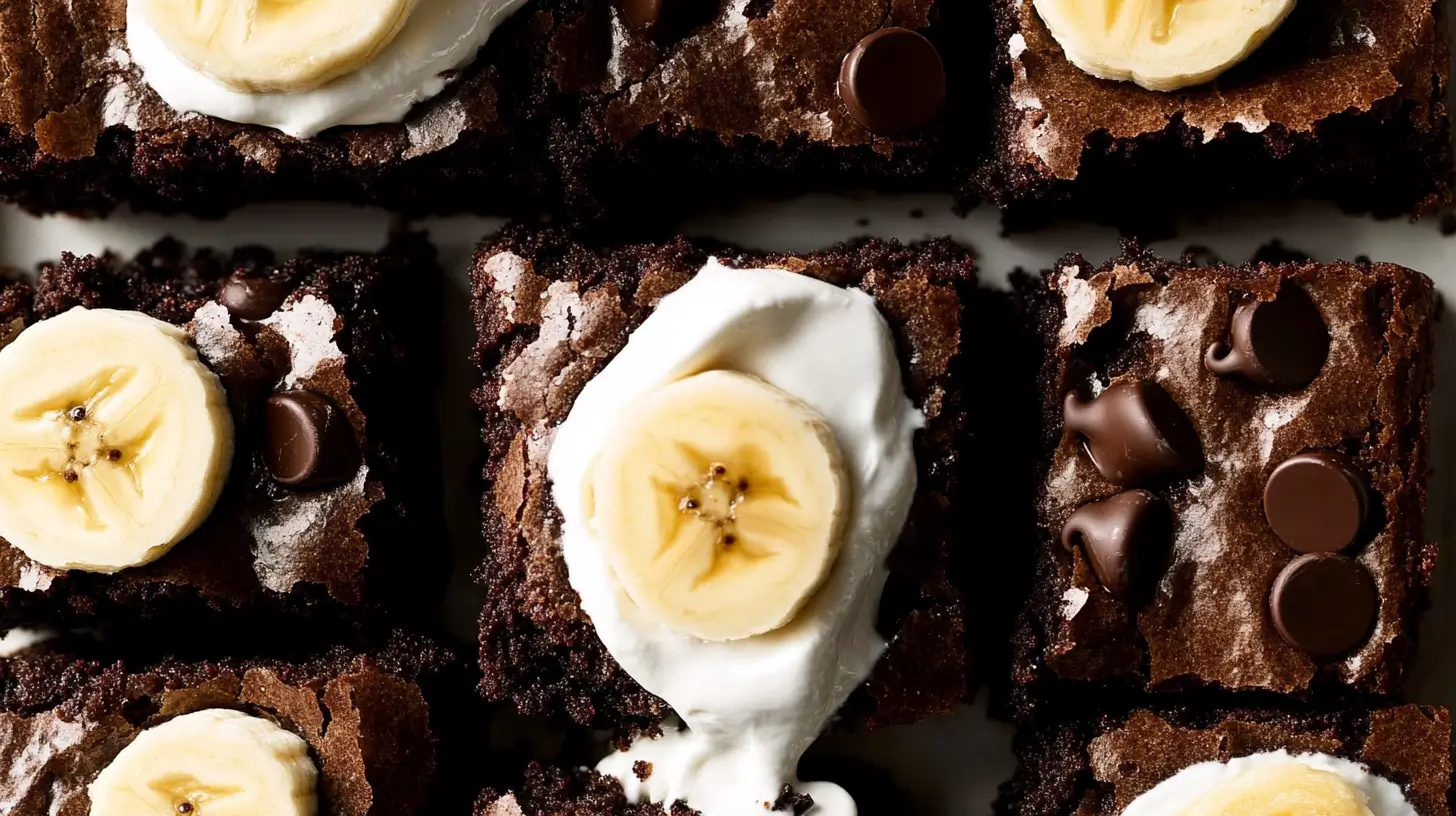
- Fresh banana slices. The combination of peanut butter and banana is a classic for a reason, and a few fresh banana slices fanned out alongside your Protein Reese’s Cheesecake adds natural sweetness, extra potassium, and a fruity freshness that balances the richness of the cheesecake beautifully.
- A sprinkle of crushed peanuts or cacao nibs. A pinch of roughly chopped roasted peanuts scattered over the top adds crunch and visual texture that makes the cheesecake look much more finished and impressive. Cacao nibs work just as well for a slightly bitter, chocolatey crunch that pairs perfectly with the peanut butter.
- Alongside a black coffee or protein shake. Protein Reese’s Cheesecake with a strong black coffee is one of my favorite afternoon combinations. The bitterness of the coffee cuts through the richness of the peanut butter and cream cheese and makes the whole thing feel balanced rather than heavy. It also pairs wonderfully with a vanilla or chocolate protein shake for a complete post-workout dessert meal.
Protein Reese’s Cheesecake Variations
The base recipe for Protein Reese’s Cheesecake is a perfect canvas for all kinds of nut butter and flavor combinations. Here are some of my favorite ways to switch it up once you have made the original.
- Almond Butter Protein Cheesecake. Swap the peanut butter for almond butter in exactly the same quantity and technique. Almond butter gives you a slightly lighter, more delicate nutty flavor that is less intense than peanut butter but equally delicious. Add a few drops of almond extract to the batter along with the sweetener to deepen the almond flavor even further.
- Chocolate Peanut Butter Protein Cheesecake. Add one tablespoon of cocoa powder to the cheesecake batter before blending for a chocolate base that takes the Reese’s flavor concept to the absolute maximum. The dark chocolate cheesecake with the peanut butter swirl on top is one of the most decadent-tasting protein desserts imaginable, and the macros are still completely respectable.
- Cookie Butter Protein Cheesecake. Replace the peanut butter with Biscoff cookie butter or any speculoos spread for a completely different but equally irresistible flavor. The warm caramelized spice flavor of cookie butter against the tangy cream cheese and yogurt base is addictive in the best way. This is an excellent variation for anyone who loves the concept but wants something a little less intense than peanut butter.
- Tahini Protein Cheesecake. Use tahini instead of peanut butter for a more sophisticated, slightly bitter, nutty swirl that pairs beautifully with a drizzle of honey over the top after chilling. Tahini cheesecake has an almost halva-like quality that is genuinely surprising and completely addictive.
- Peanut Butter and Jelly Protein Cheesecake. Add a teaspoon of your favorite fruit jam or jelly alongside the peanut butter swirl on top of the batter for a peanut butter and jelly cheesecake that is as nostalgic as it is delicious. Strawberry jam and grape jelly both work beautifully against the peanut butter and cream cheese base, and the color contrast between the red jam and the tan peanut butter makes the finished cheesecake look incredible.
Storing Protein Reese’s Cheesecake
In the refrigerator: Protein Reese’s Cheesecake keeps perfectly in the fridge for up to 4 days. Cover the ramekin tightly with plastic wrap or transfer the cheesecake to an airtight container if you have removed it from the ramekin. The texture and flavor are actually at their absolute best on day two, after the cheesecake has had a full night to set and the peanut butter swirl has had time to fully meld into the cheesecake beneath it. Make it the night before whenever you can.
In the freezer: Protein Reese’s Cheesecake freezes well for up to one month. Wrap the ramekin tightly with two layers of plastic wrap or transfer the fully chilled cheesecake to a freezer-safe container. Thaw it overnight in the refrigerator rather than at room temperature or in the microwave for the best texture. Frozen and thawed properly, it tastes virtually identical to freshly made.
Make ahead: This is one of the best meal-prep desserts you can make because it requires chilling time anyway, which means making it ahead is not just convenient but actually gives you a better result. Make a batch on Sunday, keep it covered in the fridge, and enjoy a proper protein dessert every day through Thursday without any additional effort at all.
Why Greek Yogurt Is the Secret to Protein Cheesecake
Traditional cheesecake gets its creamy, dense texture from large quantities of full-fat cream cheese, sour cream, and heavy cream, all of which are high in fat and calories. Greek yogurt changes that equation dramatically without sacrificing the qualities that make cheesecake worth eating in the first place.
Full-fat plain Greek yogurt has a fat content and a thick, creamy texture that behaves similarly to sour cream in a baked cheesecake. It contributes moisture, richness, and a gentle tanginess that is almost identical to the tang you get from traditional cheesecake recipes. But Greek yogurt also brings something sour cream and heavy cream cannot: a significant amount of protein. A quarter cup of full-fat Greek yogurt contains roughly 5 to 6 grams of protein, which combined with the egg and the cream cheese makes this Protein Reese’s Cheesecake a meaningfully high-protein dessert rather than just a regular dessert with a protein label slapped on it.
The result when you bake Greek yogurt into a cheesecake is a texture that is slightly lighter and less dense than a traditional cream-cheese-only cheesecake, but still genuinely rich, smooth, and satisfying in a way that feels like a real dessert rather than a diet food. Paired with the cream cheese base and the peanut butter swirl on top, the Greek yogurt is the quiet ingredient doing the most important work in every single bite of Protein Reese’s Cheesecake.
FAQs About Protein Reese’s Cheesecake
Can I use a different nut butter in Protein Reese’s Cheesecake?
Absolutely. Almond butter, cashew butter, sunflower seed butter, tahini, and cookie butter all work beautifully as swirl toppings in this recipe. The technique is exactly the same regardless of which nut or seed butter you use. The flavor profile will change depending on your choice but the texture and baking behavior of the cheesecake itself will not be affected. Sunflower seed butter is a great option if you are making this for someone with a peanut allergy, as it has a similar consistency and a mild, nutty flavor that works very well with the cream cheese and yogurt base.
Why is my Protein Reese’s Cheesecake cracking on top?
Surface cracks in baked cheesecake are almost always caused by overbaking or by a sudden temperature shock when the cheesecake comes out of the oven. To prevent cracking, pull the cheesecake from the oven while the center still has a slight jiggle and let it cool gradually at room temperature before refrigerating. Moving a hot cheesecake directly into a cold fridge is one of the most common causes of surface cracking. If your cheesecake does crack, it will still taste exactly the same, and a drizzle of chocolate or a dollop of whipped cream covers any imperfections beautifully.
Can I make Protein Reese’s Cheesecake without Greek yogurt?
You can substitute the Greek yogurt with an equal amount of sour cream, ricotta cheese, or blended cottage cheese and the cheesecake will still bake up beautifully. Sour cream gives you the most similar flavor and texture to the original recipe. Ricotta makes the cheesecake slightly lighter and more delicate. Blended cottage cheese adds even more protein and a very similar tang to Greek yogurt. All three substitutions work well, though each one will change the final flavor and texture slightly compared to the Greek yogurt version.
How long does Protein Reese’s Cheesecake last in the fridge?
Protein Reese’s Cheesecake keeps well in the refrigerator for up to 4 days when stored covered tightly with plastic wrap or in an airtight container. The texture is best on day two after a full night of chilling. For longer storage, wrap the fully chilled cheesecake tightly and freeze for up to one month. Thaw frozen portions overnight in the refrigerator for the best texture and flavor.
Can I make Protein Reese’s Cheesecake in a regular baking dish instead of a ramekin?
Yes, you can scale up the recipe and bake it in a small baking dish instead of a ramekin. Double or triple the recipe to fill a 6-inch round baking dish or a small square baking pan. The baking time will need to increase by 5 to 10 minutes depending on the depth of the batter, so watch it closely and use the jiggle test rather than relying purely on the timer. A slightly longer bake at the same 350°F temperature works perfectly for a larger batch, and the result is a shareable protein cheesecake that serves two to four people.
More Easy Protein Dessert Recipes
If you loved this Protein Reese’s Cheesecake, here are more easy, high-protein desserts from my kitchen that I know you will want to try next.
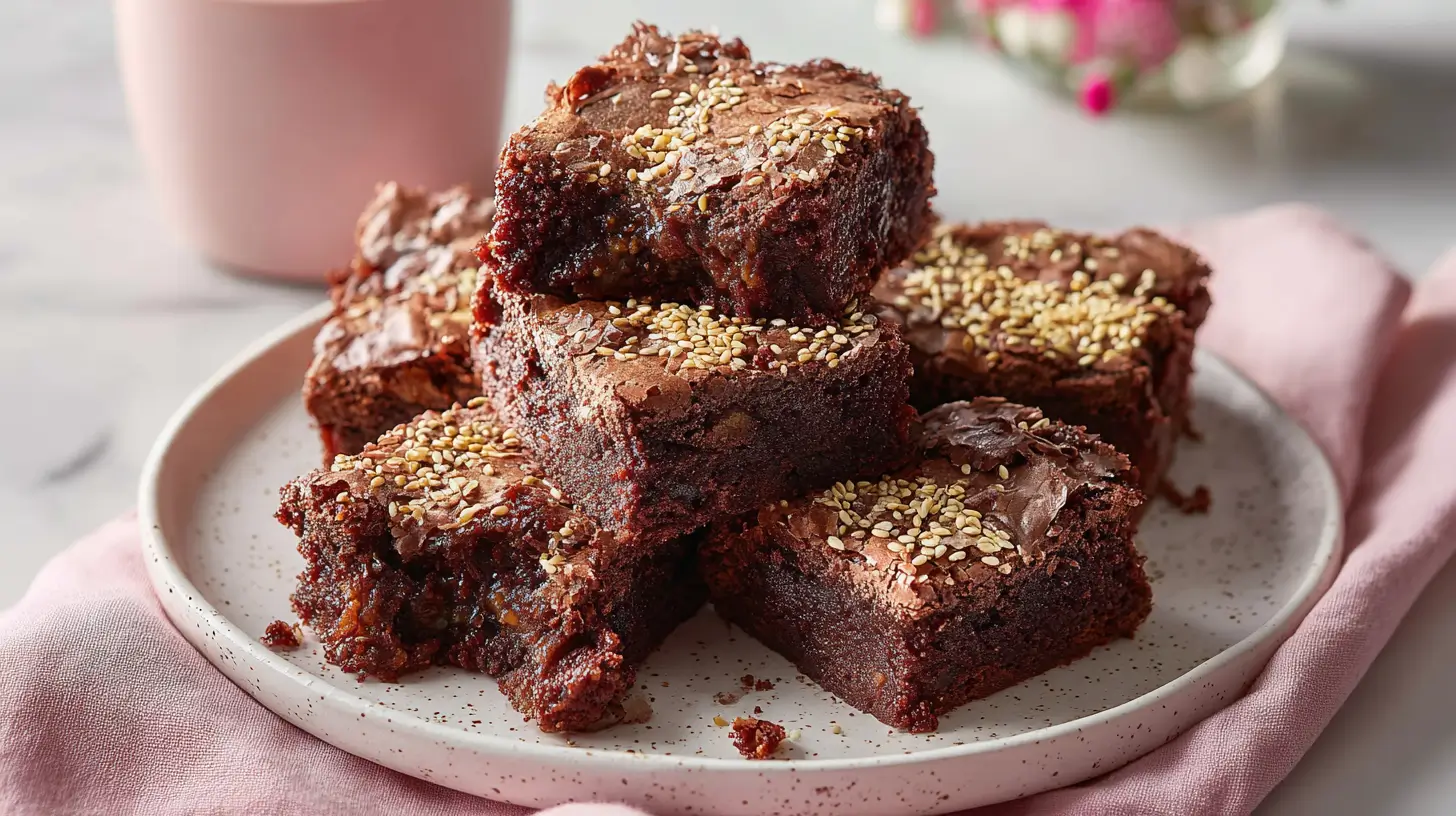
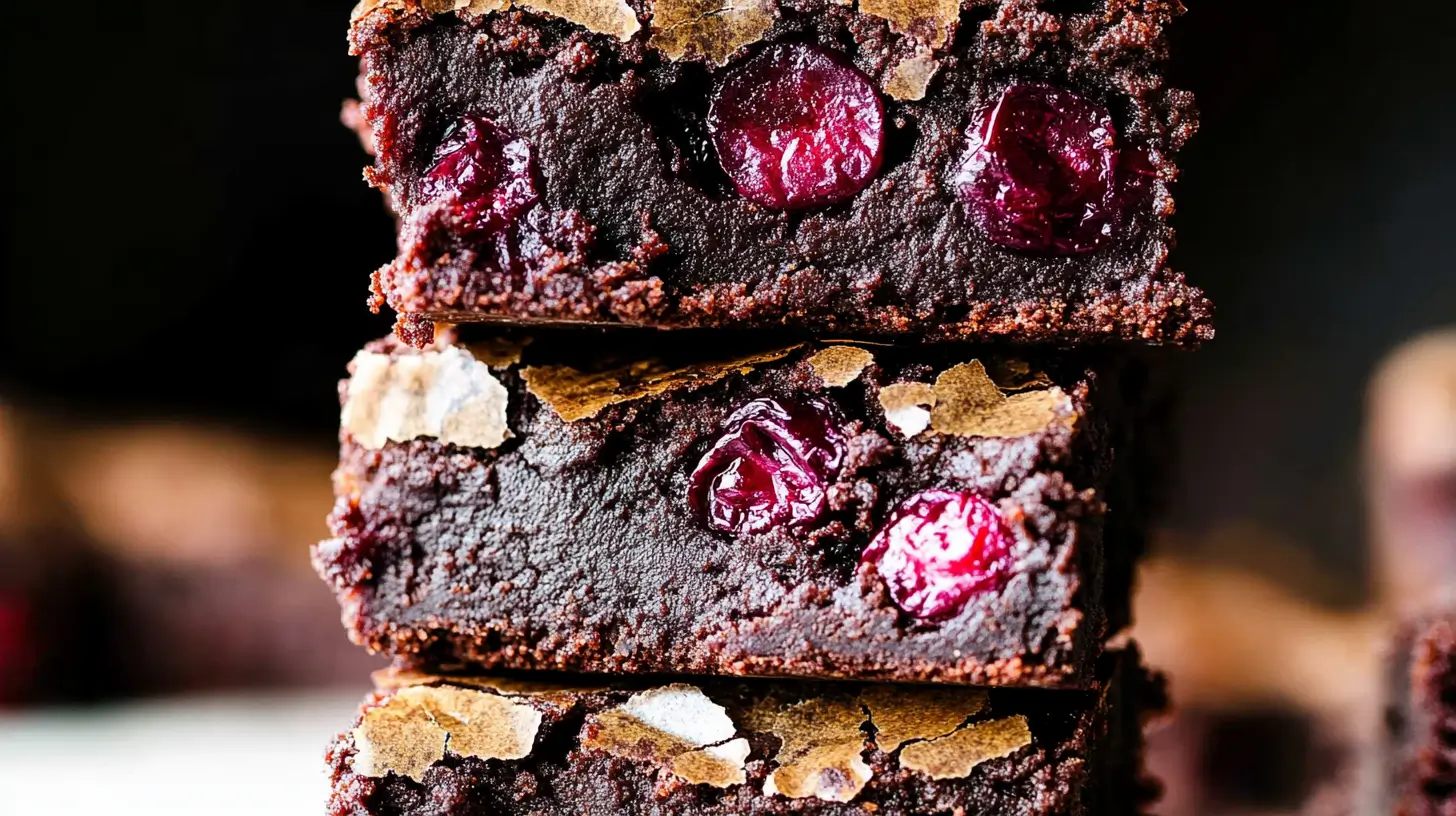
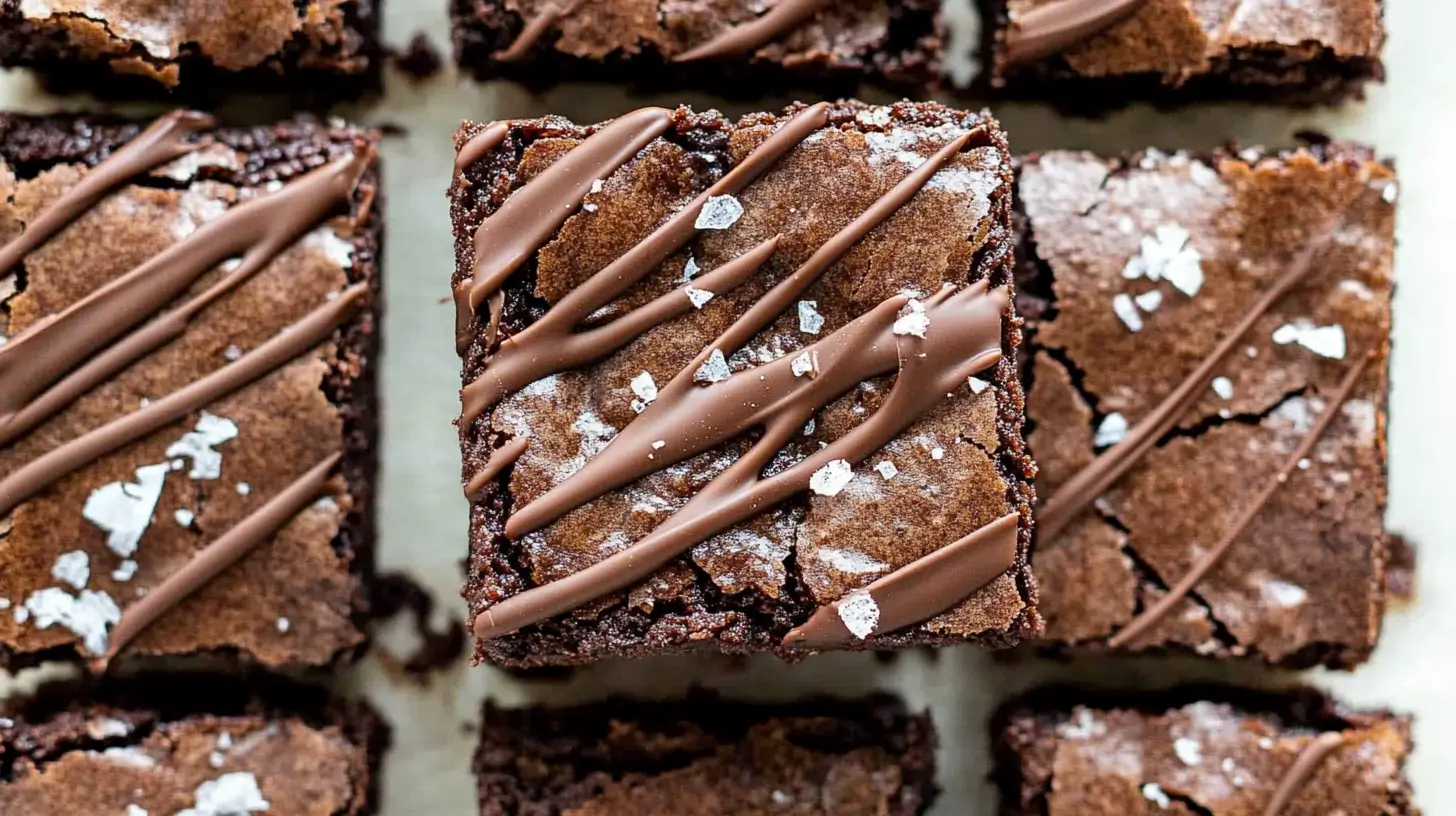
Before you get started! If you try this Protein Reese’s Cheesecake recipe, I’d love for you to leave a rating and review. It helps us keep sharing free recipes you can count on.
Protein Reese’s Cheesecake Recipe (Easy & Creamy)
- Total Time35 minutes
- Yield1 cheesecake 1x
- DietVegetarian
This Protein Reese’s Cheesecake is a rich, creamy, high protein dessert that comes together with just a handful of simple ingredients. Made with cream cheese, Greek yogurt, peanut butter, and an egg, it delivers all the classic peanut butter cheesecake flavor you love in an easy single serving treat. Perfect for a healthier dessert, post workout snack, or whenever you’re craving something sweet and satisfying.
Ingredients
- 1 egg
- 2 ounces cream cheese, softened
- 3 tablespoons cocoa powder
- 1/4 cup Greek yogurt
- 2 to 3 tablespoons sweetener of choice
- 2 tablespoons peanut butter
Instructions
- Preheat the oven to 350°F and lightly grease a ramekin.
- Add the egg, cream cheese, Greek yogurt, and sweetener to a blender. Blend until completely smooth.
- Pour the cheesecake mixture into the prepared ramekin.
- Swirl the peanut butter over the top.
- Bake for 30 minutes or until the center is just set.
- Remove from the oven and allow to cool.
- Chill completely in the refrigerator before serving.
- Enjoy.
Recipe Video
Notes
- Full fat or reduced fat cream cheese both work well in this recipe.
- Adjust the sweetener to your preferred level of sweetness.
- For the best texture and flavor, chill for at least 2 hours before serving.
- Natural peanut butter can be used, but stir it well before adding.
- This recipe makes one generous serving or two smaller servings.
- Prep Time: 5 minutes
- Cook Time: 30 minutes
- Category: Dessert
- Method: Baking
- Cuisine: American
Nutrition
- Serving Size: 1 cheesecake
- Calories: 410 kcal
- Sugar: 7g
- Sodium: 330mg
- Fat: 31g
- Saturated Fat: 13g
- Unsaturated Fat: 15g
- Trans Fat: 0g
- Carbohydrates: 11g
- Fiber: 2g
- Protein: 24g
- Cholesterol: 225mg
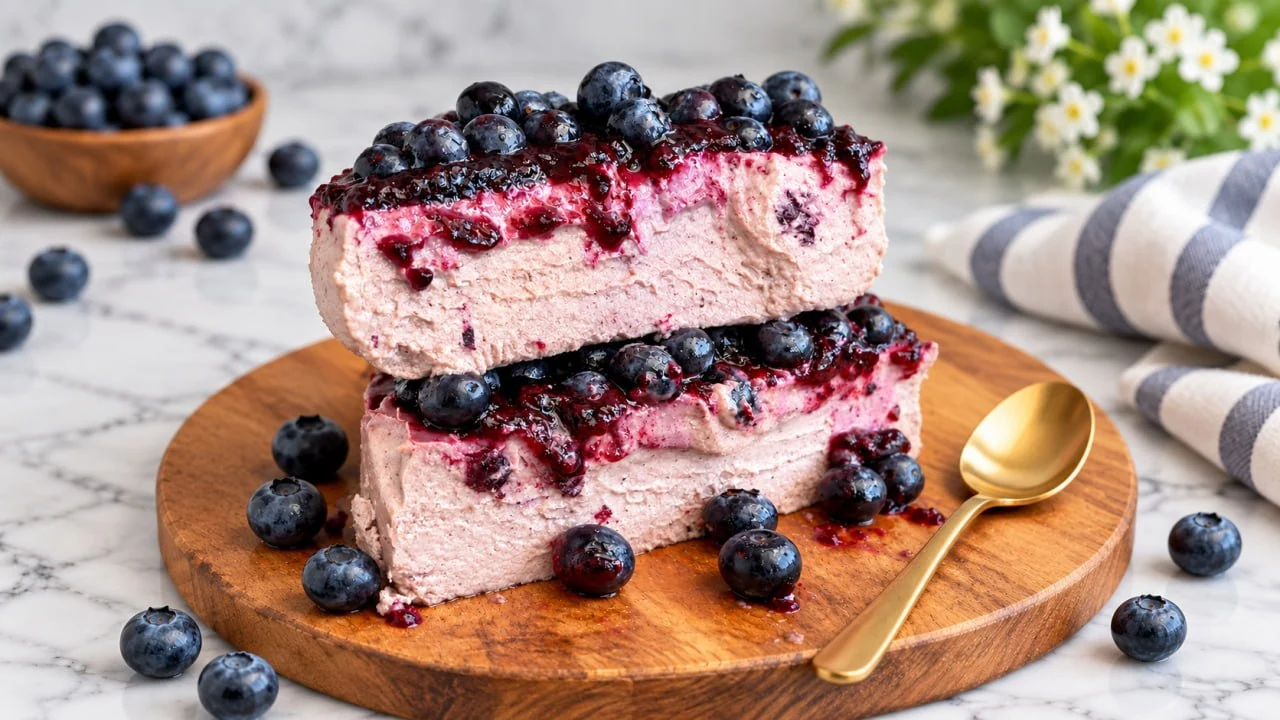
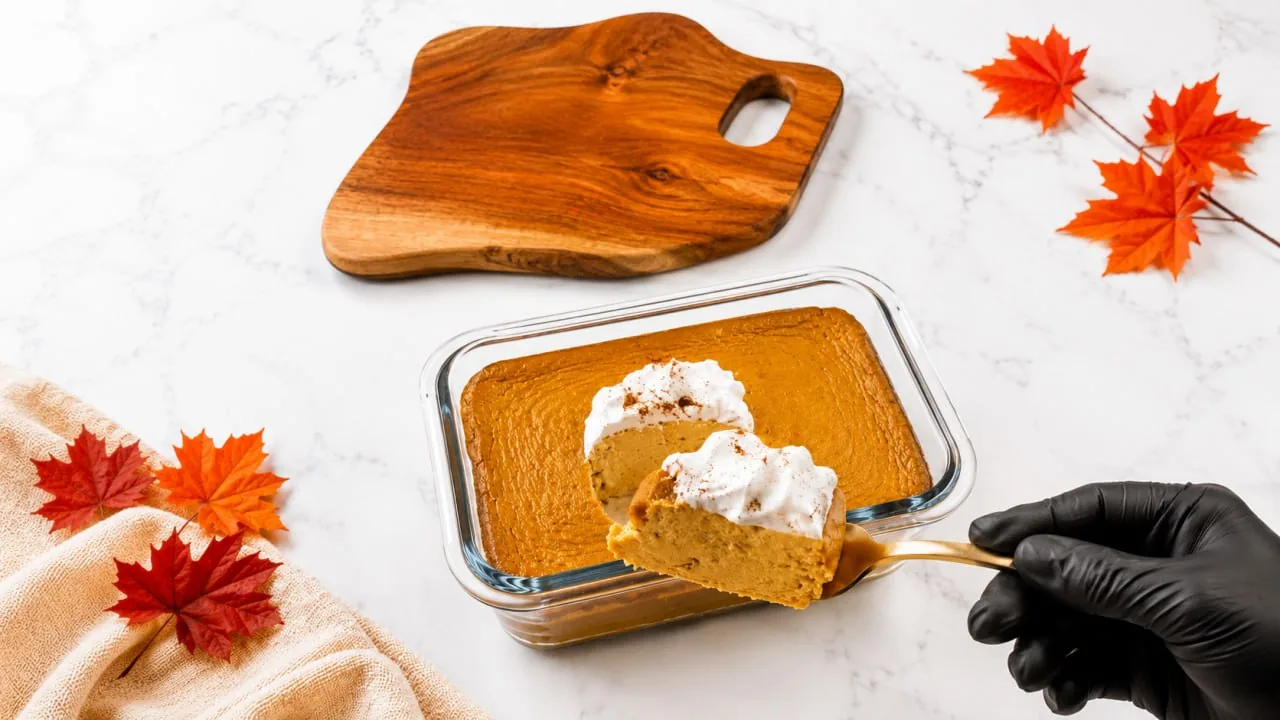
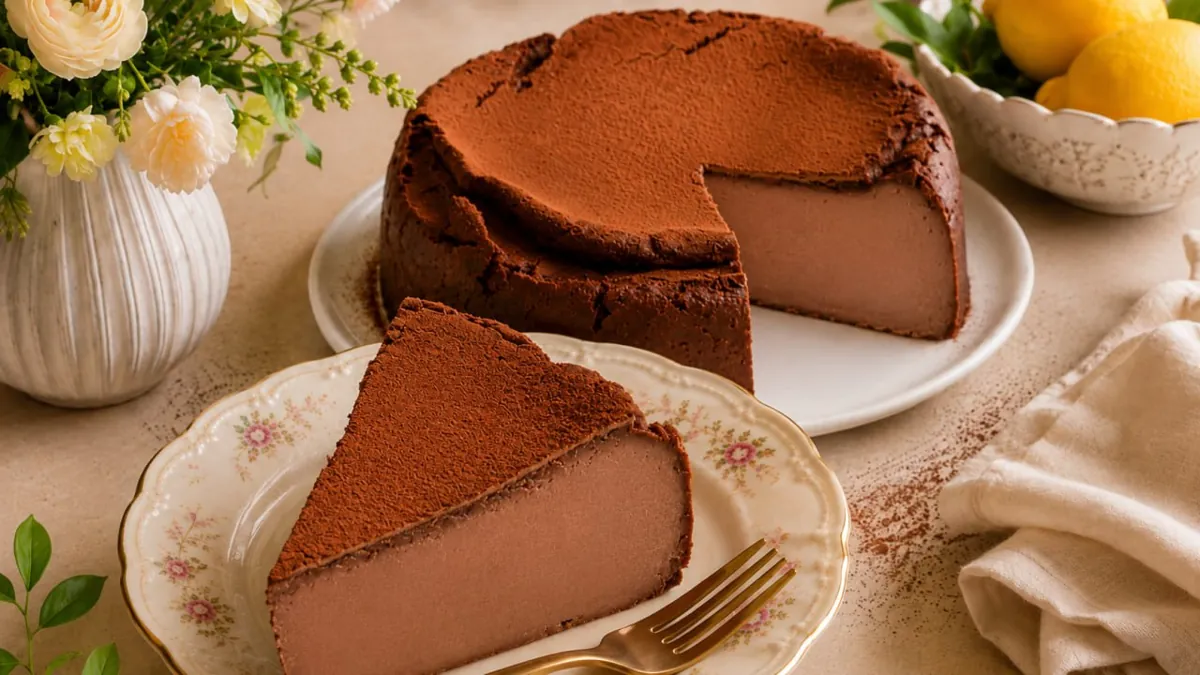
More protein cheesecakes: High-Protein Pumpkin Cheesecake, High-Protein Chocolate Cheesecake and High-Protein Raspberry Cheesecake.